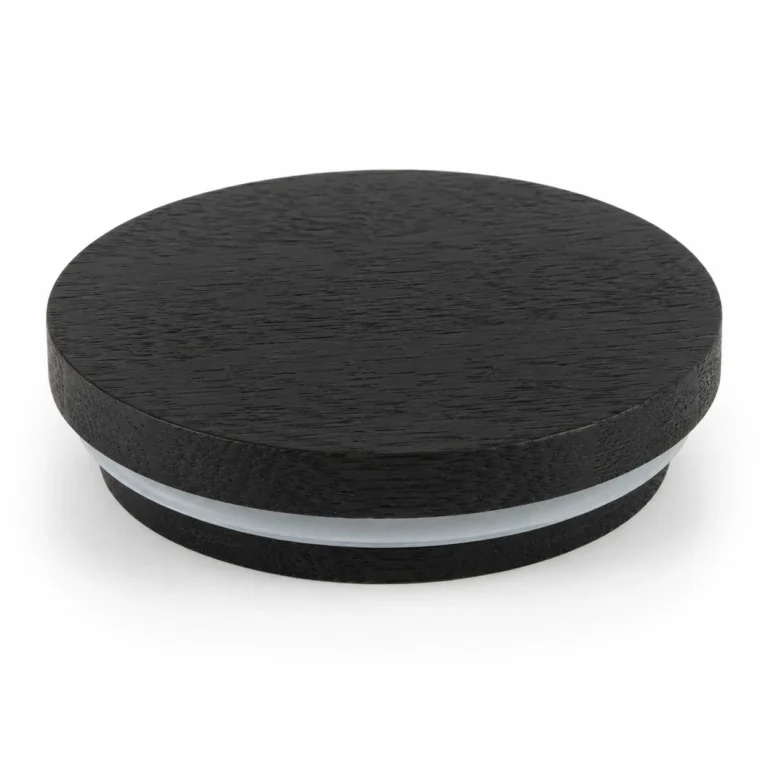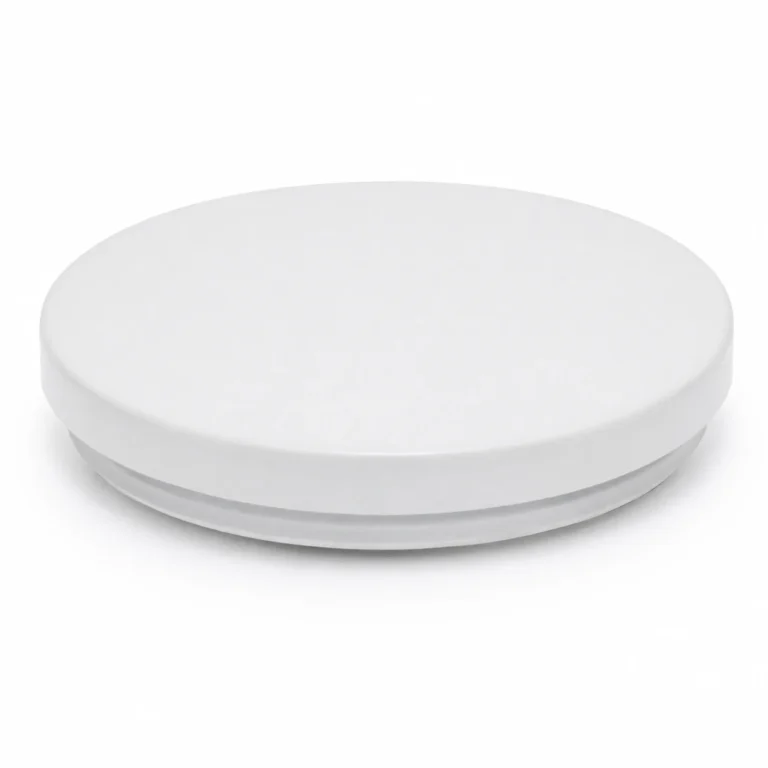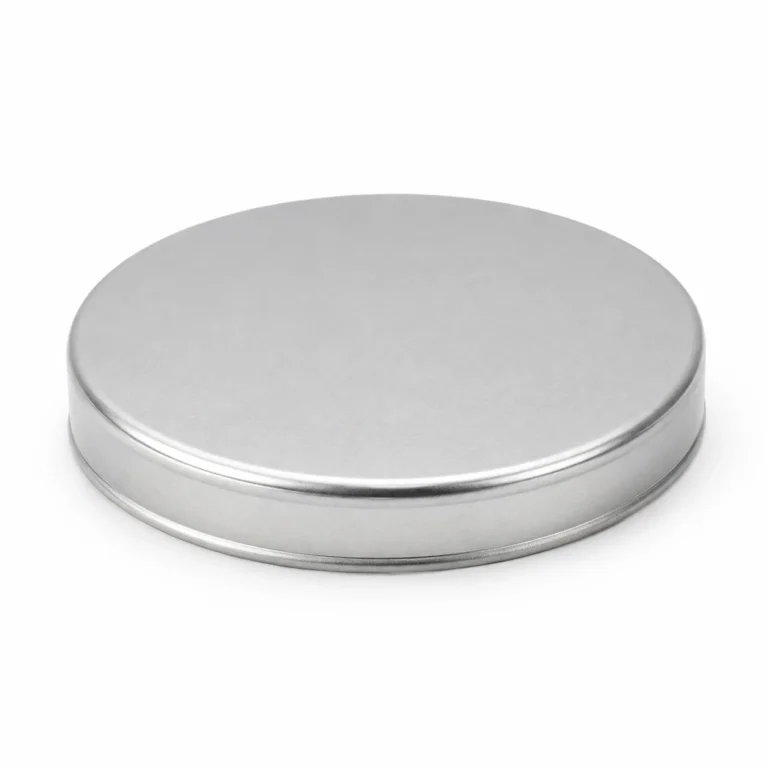

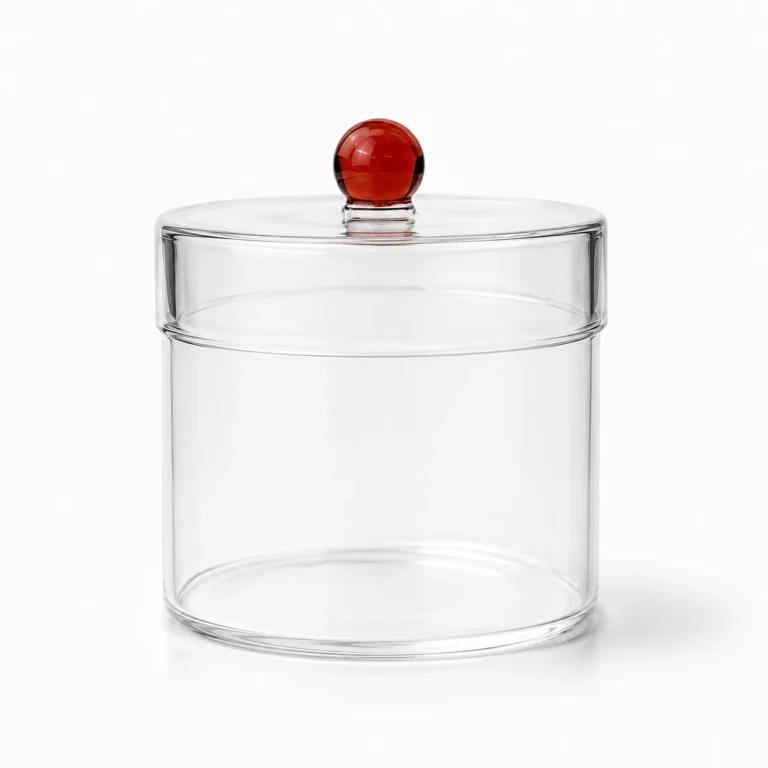
Candle jar lids can be supplied as standalone accessories or as matched closures for existing candle vessels. Correct fit depends on the finished jar opening, rim geometry, lid seat, insert or gasket design and manufacturing tolerance—not only the nominal diameter.Compare lid material, weight, finish and decoration with the selected candle jar, then approve the physical jar-and-lid combination for seating, retention and finished retail-pack height. For replacement or accessory-only orders, provide the jar model, dimensions, drawing or physical sample whenever possible.
Available Products
Showing 1–4 of 4 products
Need help narrowing the options?
Share your bottle or jar model, opening, neck finish and functional requirements. We can shortlist compatible lids, pumps, caps, plugs or accessories.
Wood, bamboo and related model-specific closure directions for candle packaging.
Metal, alloy, resin and other decorative lid structures used with compatible candle jars.
Glass, ceramic or project-specific lid formats where compatible with the selected vessel.
Measure the jar opening and lid-seat geometry on finished production pieces. For replacement lids, a physical sample or technical drawing is preferred.
Check fit across representative jars, opening/closing feel, wobble, retention, surface rubbing and repeated handling.
Project Support
Continue with the pages most relevant to the next sourcing, customization or risk-control decision for this collection.
Coordinate the container, closure, decoration, accessories, packaging, QC and delivery in one project.
Explore page →See how appearance, dimensions, component fit, decoration and final order quality are checked.
Explore page →Coordinate jars, lids, decoration, packaging, sampling and repeat production for candle programs.
Explore page →Related Resources
Review the most relevant cases, catalogs or videos for this material before requesting samples or a quotation.
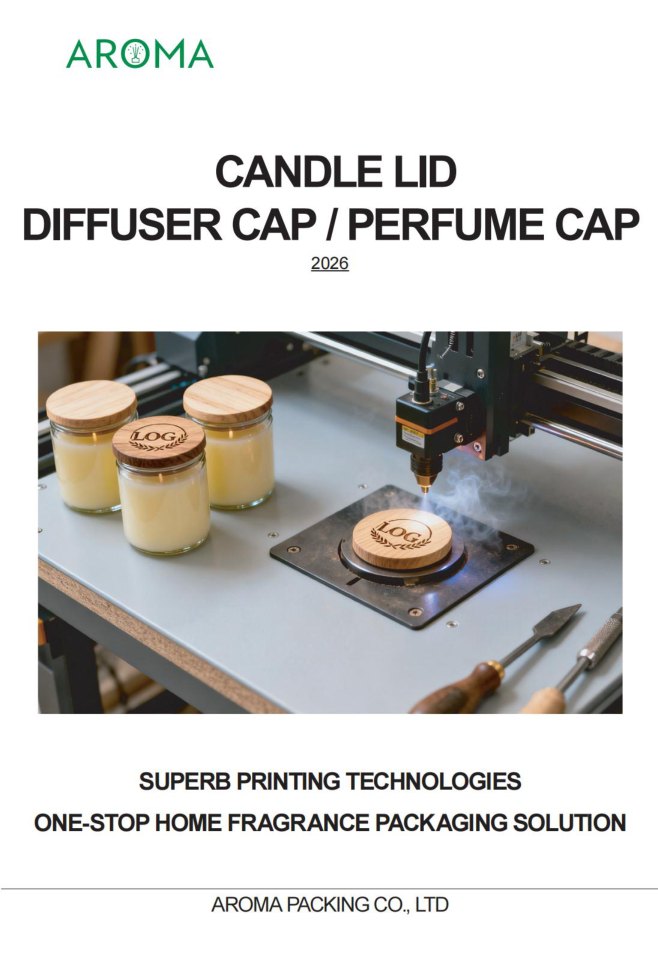
A 14-page accessory catalog covering candle lids, diffuser caps, perfume caps, wood materials, logo decoration and related component options.
View Resource →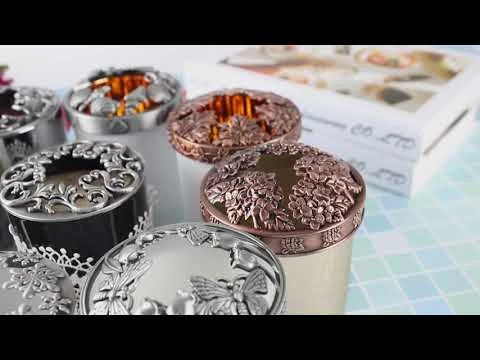
A close-up showcase of decorative zinc alloy candle jar lids with embossed patterns and metallic finishes for premium candle packaging.
View Resource → A documented and anonymized candle-cap manufacturing project covering two approved references and 58,500 pieces for delivery to Italy.
View Resource →FAQ
These answers cover the questions most likely to affect product selection, sampling and quotation for this collection.
Still have a question? Ask our team →Match the lid to the exact finished jar opening and rim, including any insert, sealing ring or internal structure used by the lid. Nominal diameter alone is not enough to confirm fit.
Approve the jar-and-lid combination on production-representative samples, check opening and closing feel, and then confirm the assembled height and fit inside the final retail and export packaging.
Each lid material behaves differently. Wood, bamboo and cork can show natural grain, tone and moisture-related variation; resin supports decorative molded forms; metal and alloy lids can provide precise shapes and metallic finishes but may require inserts or liners for the intended fit.
Select the material together with the jar opening, lid-seat geometry, weight, decoration and packing. Approve physical jar-and-lid samples because the same nominal diameter can fit differently depending on the insert, gasket and manufacturing tolerance.
Provide the exact container model whenever possible. If a model is not available, measure the finished opening or neck and include the dimensions that control component fit: outside and inside diameter, thread or crimp specification, rim or lid-seat geometry, relevant heights and any insertion depth.
For pumps, also provide the neck finish and required dip-tube length. For lids and stoppers, a technical drawing or physical sample is strongly preferred because nominal diameter alone does not describe threads, tapers, gaskets, inserts or fit tolerances.
Separate accessory orders may be possible, but compatibility must be confirmed before production. Provide the Bright Glassware model number or the exact bottle or jar opening/neck dimensions, required material and finish, quantity and, when possible, a drawing or physical sample.
Do not assume an accessory will fit only because the nominal diameter looks similar. Opening geometry, thread or insertion details, tolerances and component construction should be checked on representative samples.
In many projects, component colors and finishes can be coordinated with the bottle or jar design. The available route depends on the component material and may involve painted, plated, anodized, printed, molded-color or natural-material finishes.
Approve physical color and finish samples under consistent lighting. Metallic and natural materials can appear different from a Pantone chip or screen rendering, so the assembled bottle, jar or closure set should be the final visual reference.
Request a Quote
Share the container model or opening, required fit, sealing method, finish, branding and packing requirements you already know. Our team can review compatible components and the next sampling or validation step.
We can narrow compatible lids, caps, pumps, stoppers or accessories for the selected container before you compare every option.
Fit, liner or plug, finish, logo treatment and packing can be reviewed together with the selected container.
Confirm fit, sealing, assembly and appearance on matched samples before bulk production.